Key West Bonefish Fly Fishing
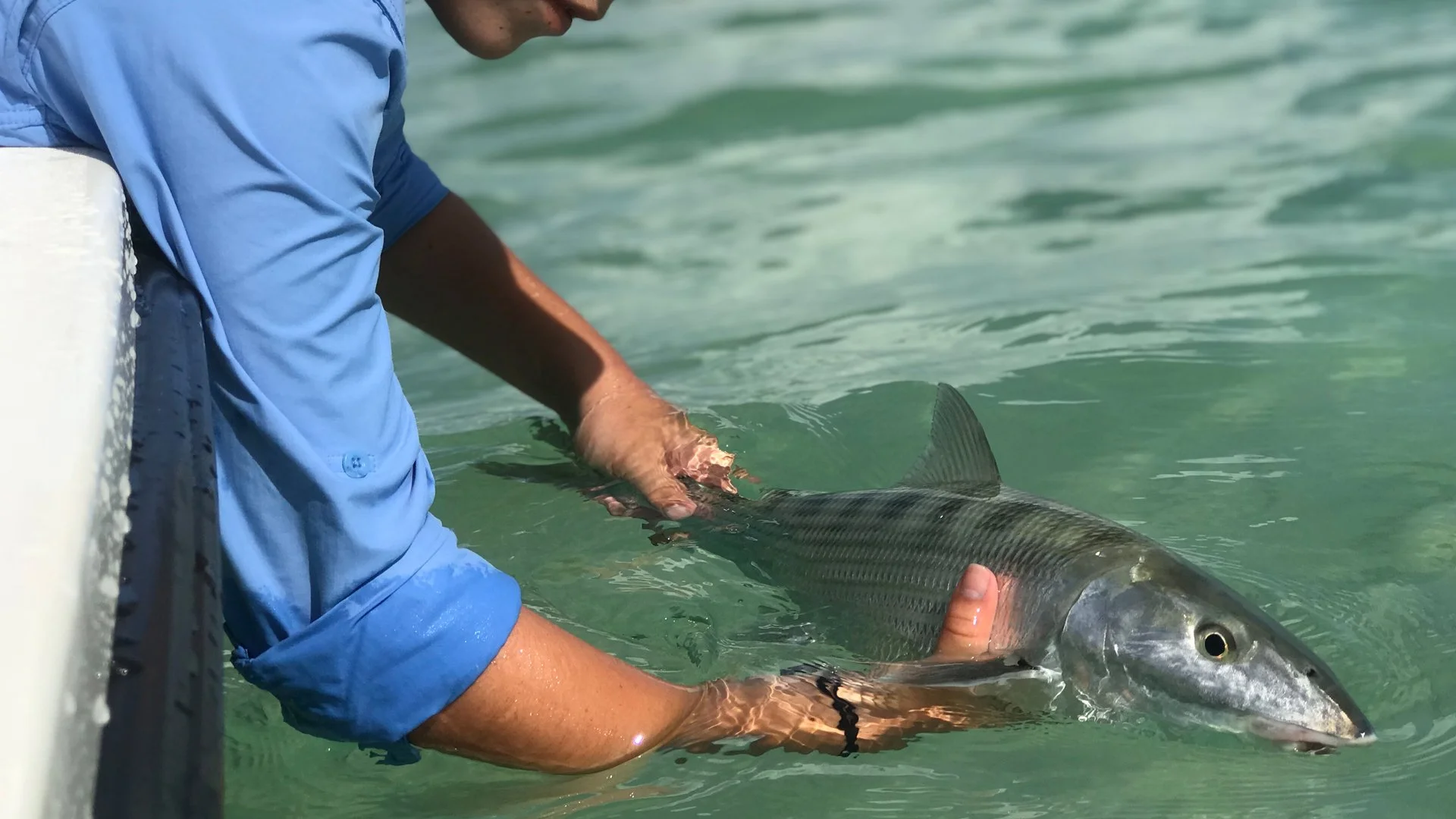
The shallow flats of Key West and the Lower Florida Keys offer anglers of all abilities year-round opportunities to sight fish for bonefish with a fly rod.
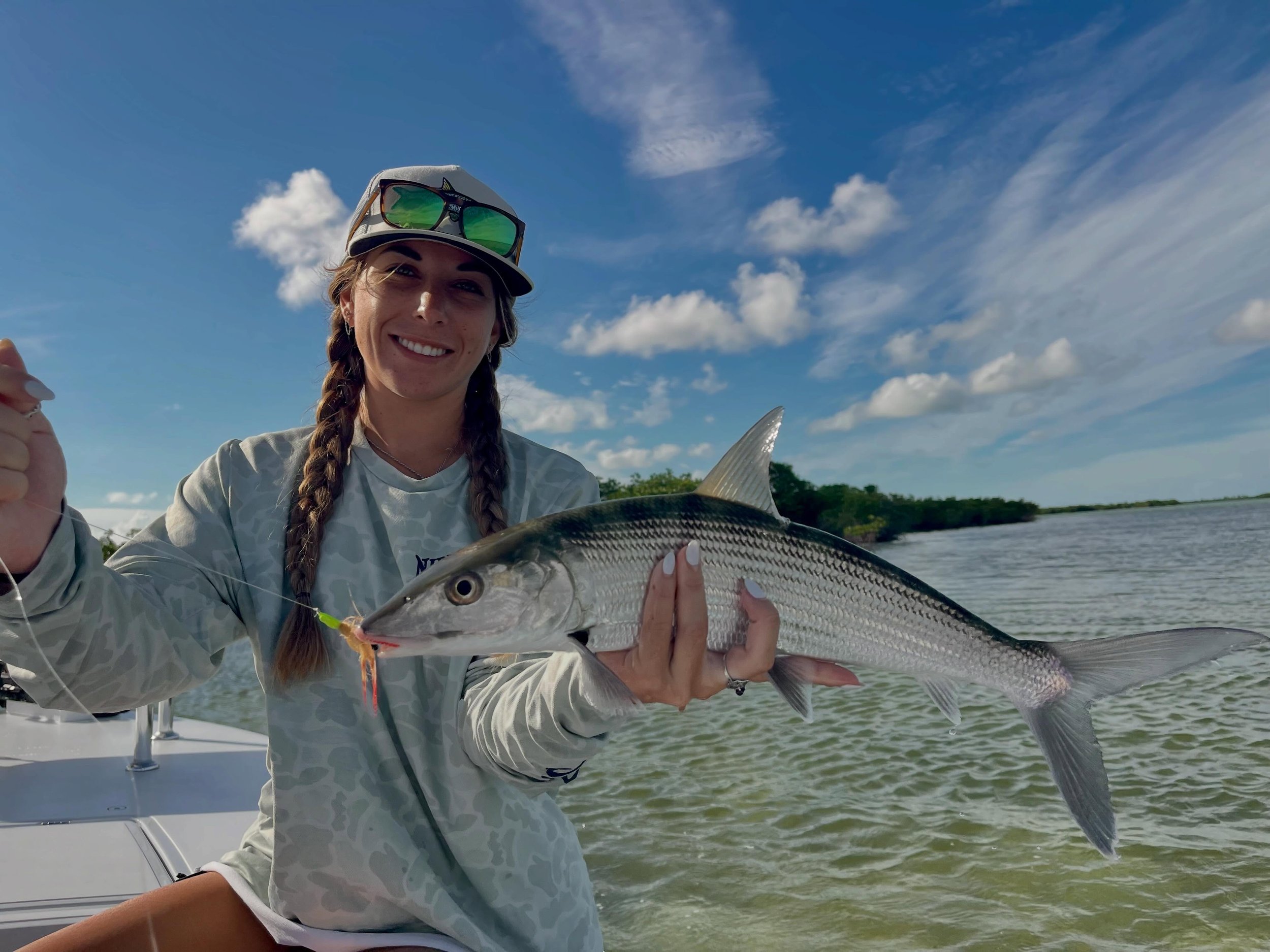
Bonefish are one of the most exciting fish to pursue with a fly rod, and the flats surrounding Key West and the Lower Florida Keys offer year-round opportunities to chase them. Known for their propensity to tail, willingness to eat a fly, and blistering runs, bonefish are a favorite among both experienced saltwater fly anglers and those looking to catch their first fish on fly on the flats.
Fly fishing for bonefish in Key West is primarily a sight fishing game. Days are spent quietly poling the flats, looking for tails, wakes, nervous water, or the shadow of a fish moving across the bottom. Some fish will give you plenty of time to make a presentation, while others seem to appear out of nowhere and disappear just as quickly. Bonefish are generally more willing to eat a fly than permit, but that doesn't mean every fish is easy. A big bonefish is a wary critter, and one of the most challenging fish to feed a fly to.
Whether you're new to saltwater fly fishing or have spent years chasing bonefish, the flats of Key West offer opportunities for anglers of all abilities.
If fly fishing isn't your thing, Capt. Bo Sellers also offers Key West bonefishing charters using light tackle.
How We Fly Fish For Bonefish In Key West And The Lower Keys
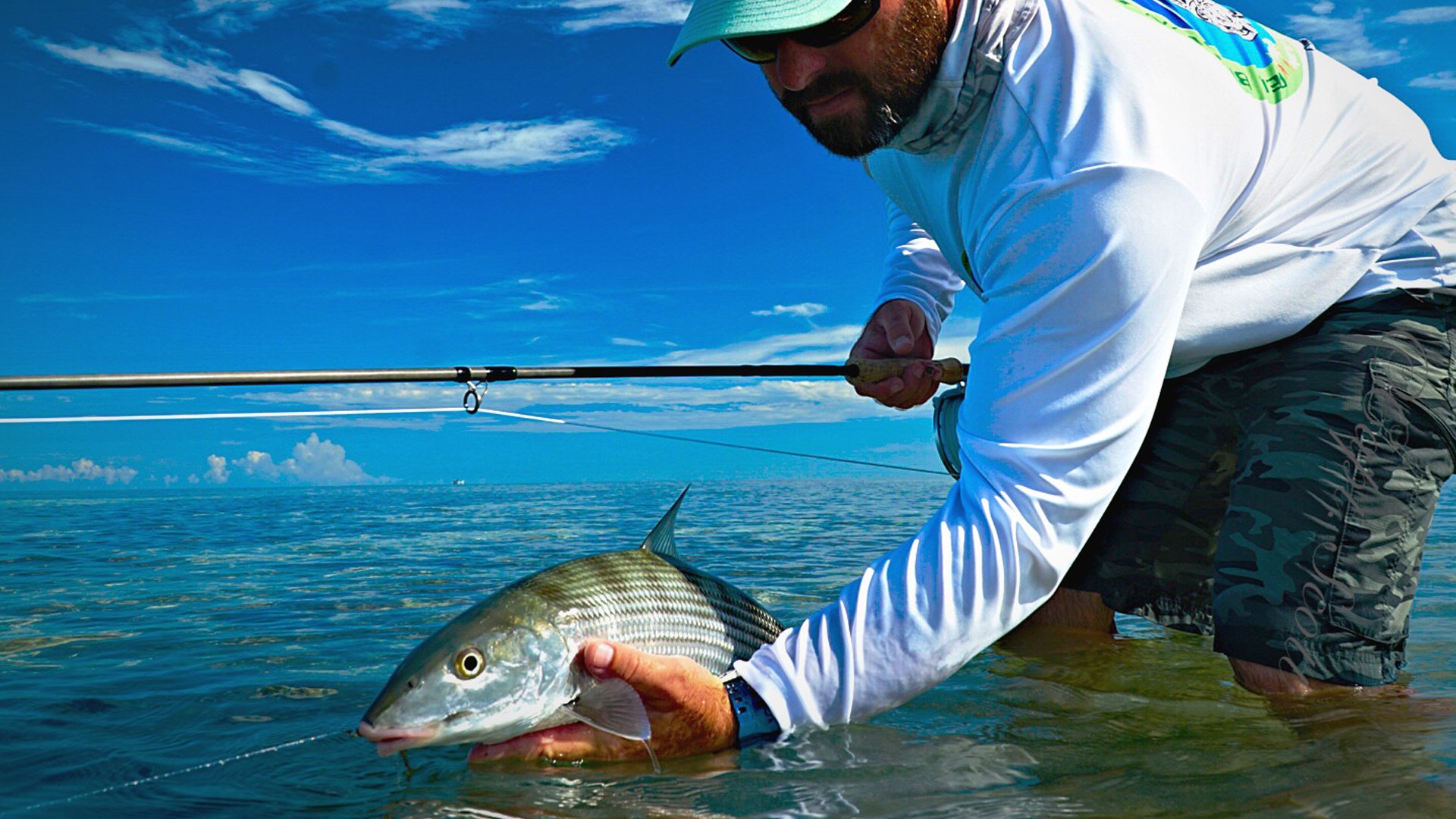
Fly fishing for bonefish in Key West and the Lower Florida Keys is primarily a sight fishing game. Most days are spent quietly poling shallow flats, looking for tails, wakes, nervous water, or the shadows of fish moving across the bottom. Depending on the conditions, we may find bonefish feeding in singles and pairs along the edges of flats, tailing in skinny water, or traveling in schools across shallow banks.
Once we find fish, getting the skiff into position without spooking them is the first order of business. Bonefish are sensitive to noise and movement in shallow water, so a quiet approach and a good presentation are important. Sometimes they'll give us plenty of time for a shot, while other times we have just a few seconds to get the fly in front of them. The goal is to land the fly ahead of the fish so that it appears naturally. Smaller bonefish can be aggressive and willing to chase down a fly, while larger fish often require a more controlled presentation.
We typically fish 7 to 9-weight fly rods with floating lines, long leaders, and a selection of shrimp and crab patterns. Fly selection, leader length, and presentation depend on the conditions and how the fish are behaving. Bonefish are generally willing participants, but getting a big one to eat a fly can be every bit as rewarding as fooling a permit.
Fly fishing for bonefish in Key West and the Lower Florida Keys is possible year-round. Bonefish are sensitive to changes in water temperature, and their movements across the flats are influenced by weather, tides, and seasonal conditions. While warm, stable weather generally provides the best opportunities, each season offers its own advantages for anglers looking to catch bonefish on fly.
Seasonal Bonefish Fly Fishing In The Lower Keys
Spring
Spring is an excellent time to fly fish for bonefish in Key West. As water temperatures begin to warm, bonefish become increasingly active on the flats, feeding on shrimp, crabs, and other small crustaceans. March, April, and May can offer some outstanding sight fishing opportunities, with fish often found tailing on shallow banks or cruising in singles, pairs, and small schools. Spring also brings some of the larger bonefish onto the flats, providing opportunities for anglers looking to target a trophy.
Summer
Summer brings warm water, long days, and generally calmer conditions throughout the Lower Keys. Bonefish can be found feeding across shallow flats, although the warmer water temperatures can influence where and when they feed. Mornings and evenings can be particularly productive, with fish pushing into skinny water before and after the mid-day heat. Summer often provides excellent visibility for spotting bonefish, but calm water can make fish more sensitive to noise and movement.
Fall
Fall is one of the best times of year to fly fish for bonefish in Key West. As water temperatures begin to cool from the summer heat, bonefish spend more time feeding across the shallow flats. September, October, and November can offer excellent opportunities to sight fish for singles, pairs, and schools, with comfortable water temperatures and fewer boats on the water. Fall can be especially productive for anglers looking to spend a full day targeting bonefish on the flats.
Winter
Winter bonefishing in Key West is largely dependent on the weather. Cold fronts and falling water temperatures can push bonefish off the shallow flats and into deeper water, where temperatures remain more stable. However, a few days of warm weather can bring fish back onto the flats to feed, particularly during the warmer parts of the day. Winter fishing may be less consistent than during spring or fall, but when conditions line up, the Lower Keys can still offer some excellent opportunities to catch bonefish on fly.
Key West Bonefishing Charters
Capt. Bo Sellers offers full day, three-quarter day, and half day bonefish fly fishing charters in Key West and the Lower Keys. Multiple boats are available for groups of more than 2 people. Contact us for current rates and availability. All trips include fishing gear, fuel, and a cooler with ice.
Payments And Deposits
Cash, Paypal, or Venmo.
$200 per day per boat deposit for all trips
Venmo or Paypal deposits to:
Bo Sellers
27394 Barbuda Lane
Ramrod Key, FL 33042
(305) 304-8442
What To Bring
Weather appropriate clothing
Non-marking soled footwear
Hat
Polarized sunglasses
Sunscreen
Food and drinks
Key West Fly Fishing Trip FAQ’s
-
Bonefish can be caught year-round in Key West and the Lower Florida Keys, but spring and fall generally offer some of the most consistent fishing. March, April, and May can be excellent, as can September, October, and November. Warm water temperatures, stable weather, and good visibility are important factors, and favorable conditions can produce great bonefishing during almost any month of the year.
-
Yes. Bonefish live in the waters surrounding Key West and the Lower Keys throughout the year. While cold fronts can push fish into deeper water during winter, periods of warm weather often bring them back onto the flats. Summer also provides good opportunities, particularly during the cooler mornings and evenings when bonefish are actively feeding in shallow water.
-
Absolutely. Bonefish are one of the more approachable species for anglers learning to fly fish on the flats. Smaller fish and schools can be surprisingly willing to eat a fly, making them excellent targets for beginners. Being able to make an accurate cast and follow directions from your guide is helpful, but you don't need years of fly fishing experience to have a shot at catching a bonefish.
-
Bonefish in the Lower Keys vary considerably in size, from smaller fish weighing a couple of pounds to large adults exceeding 10 pounds. Schools of smaller fish can provide plenty of action, while larger bonefish are often found traveling alone or in small groups. Big bonefish are particularly wary and can be some of the most challenging fish on the flats to catch with a fly rod.
-
We typically fish 7 to 9-weight fly rods with floating lines, long leaders, and a selection of shrimp and crab patterns. The specific setup depends on the conditions, water depth, and size of the fish we're targeting. Lighter rods are a lot of fun for smaller bonefish, while heavier setups can be useful when fishing in windy conditions or targeting larger fish.
-
Most of our bonefishing is done by quietly poling a skiff across shallow flats and banks while looking for signs of fish. Tails, wakes, nervous water, and shadows moving across the bottom can all give away a bonefish's location. Good sunlight and clear water make spotting fish easier, but knowing where bonefish are likely to feed is just as important as being able to see them.
-
You don't need to be an expert caster to catch bonefish, but being comfortable making accurate casts between 30 and 60 feet is helpful. Some fish will allow a much closer presentation, while others may require longer casts. Accuracy and being able to deliver the fly quickly are generally more important than casting distance, especially when fish are moving across the flats.
-
Shrimp and crab patterns are among the most effective flies for bonefish in the Lower Florida Keys. Fly size, color, and weight depend on the water depth, bottom type, and how the fish are feeding. A fly that lands softly and moves naturally along the bottom is often more important than a particular pattern. Having several options available helps us fish different conditions throughout the day.
-
Yes. One of the advantages of fishing Key West and the Lower Florida Keys is the opportunity to encounter several species during the same trip. Depending on the season and conditions, we may have opportunities to target bonefish, permit, and tarpon in a single day. Anglers interested in pursuing all three species can even try for a Grand Slam.
-
Absolutely. Bonefish can also be targeted using conventional light spinning tackle. For anglers who prefer spinning gear, Capt. Bo Sellers offers Key West bonefishing charters using light tackle. Sight fishing for bonefish with spinning tackle is a great way to experience the shallow flats of Key West and the Lower Florida Keys.
What We Fly Fish For In Key West
Tarpon
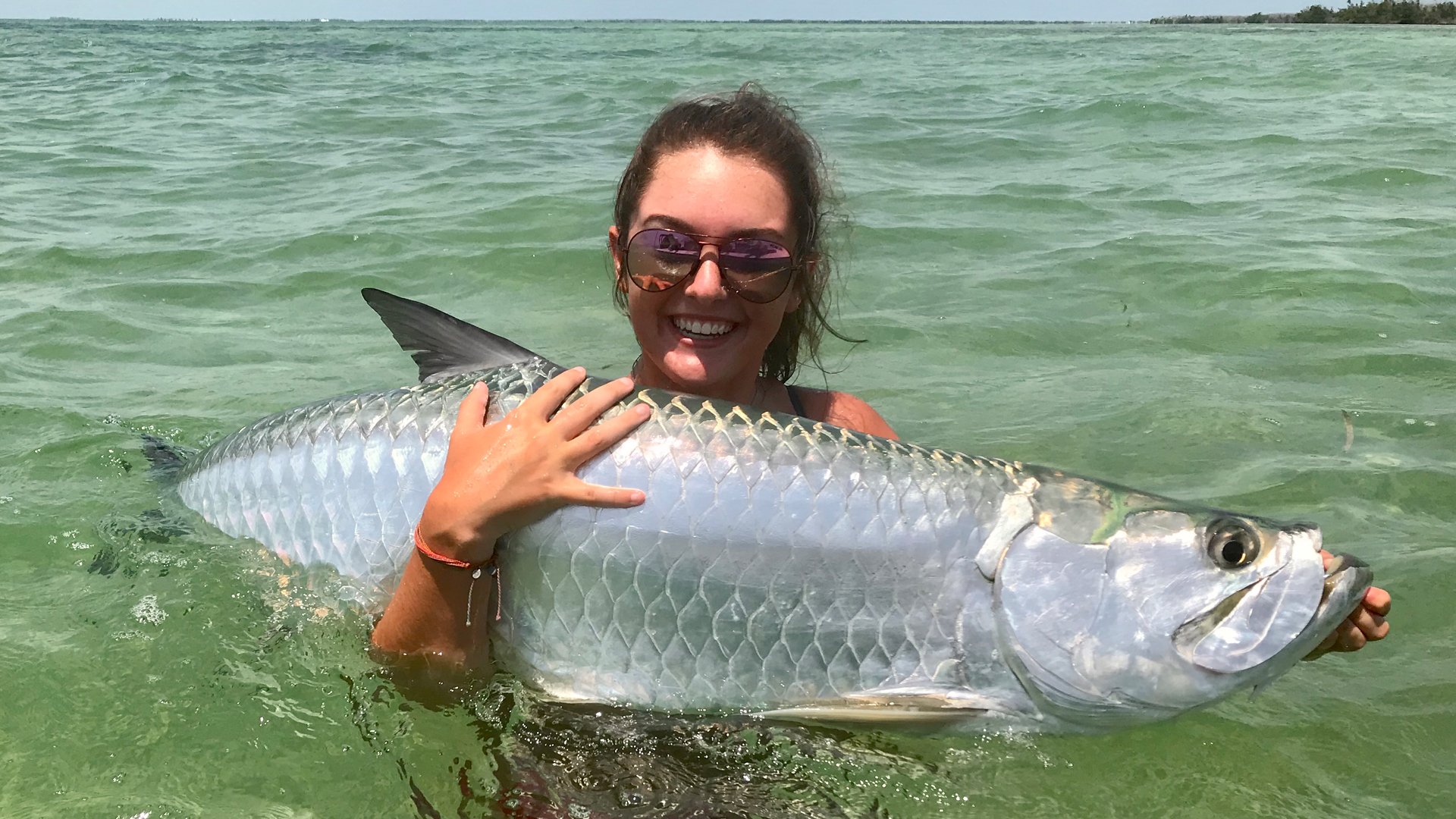
Tarpon are the undisputed kings of saltwater fly fishing, and Key West is one of the best places in the world to pursue them. From resident fish in the backcountry to large migratory tarpon traveling the oceanside flats, the Lower Florida Keys offer incredible opportunities to sight fish for tarpon throughout the year.
Permit
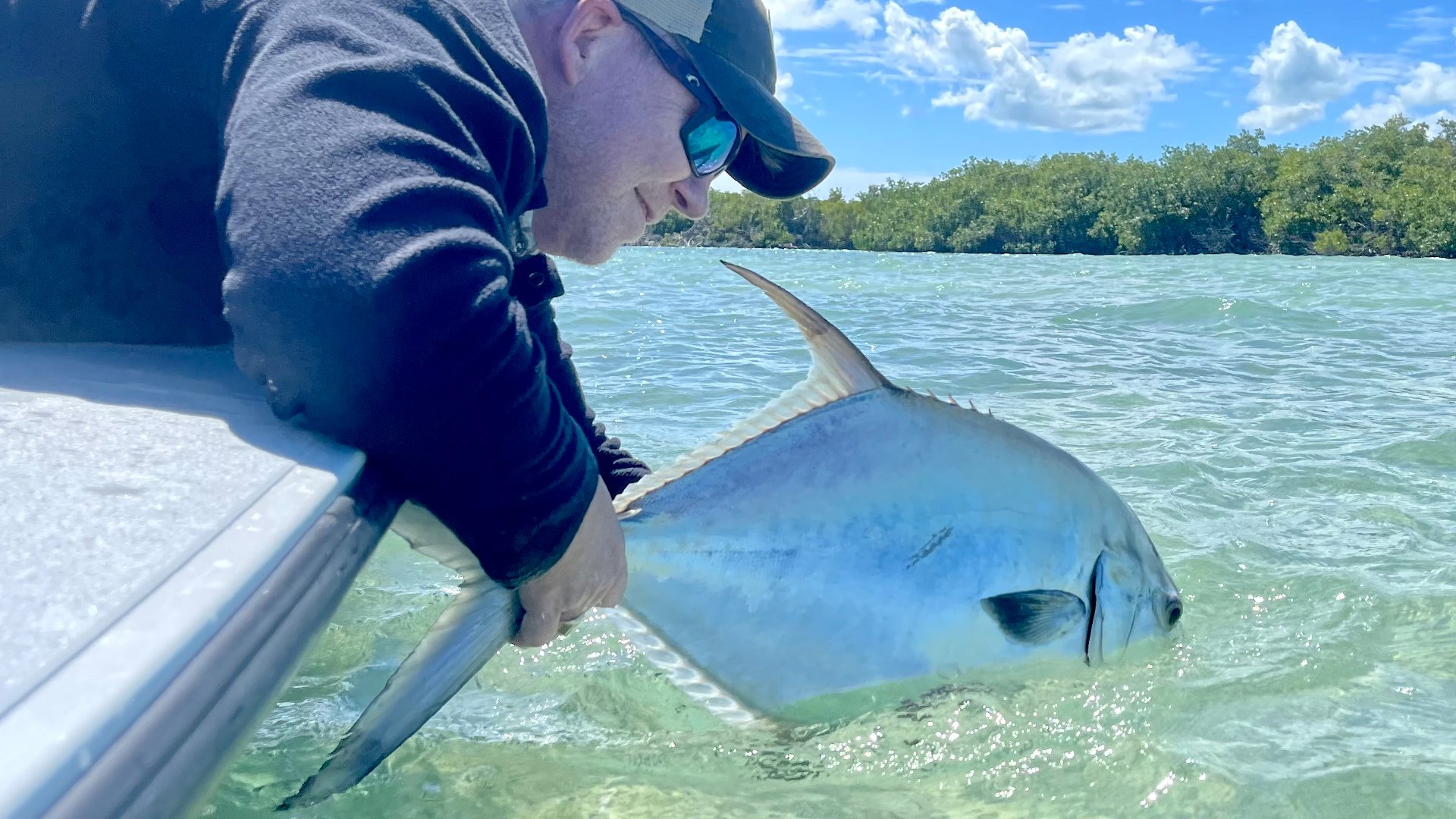
Permit are among the most sought-after fish in saltwater fly fishing, and Key West is one of the best places in the world to pursue them. From tailing fish on shallow flats to singles and schools feeding along banks and channels, the Lower Florida Keys offer incredible opportunities to sight fish for permit throughout the year.




Capt. Bo Sellers On Instagram