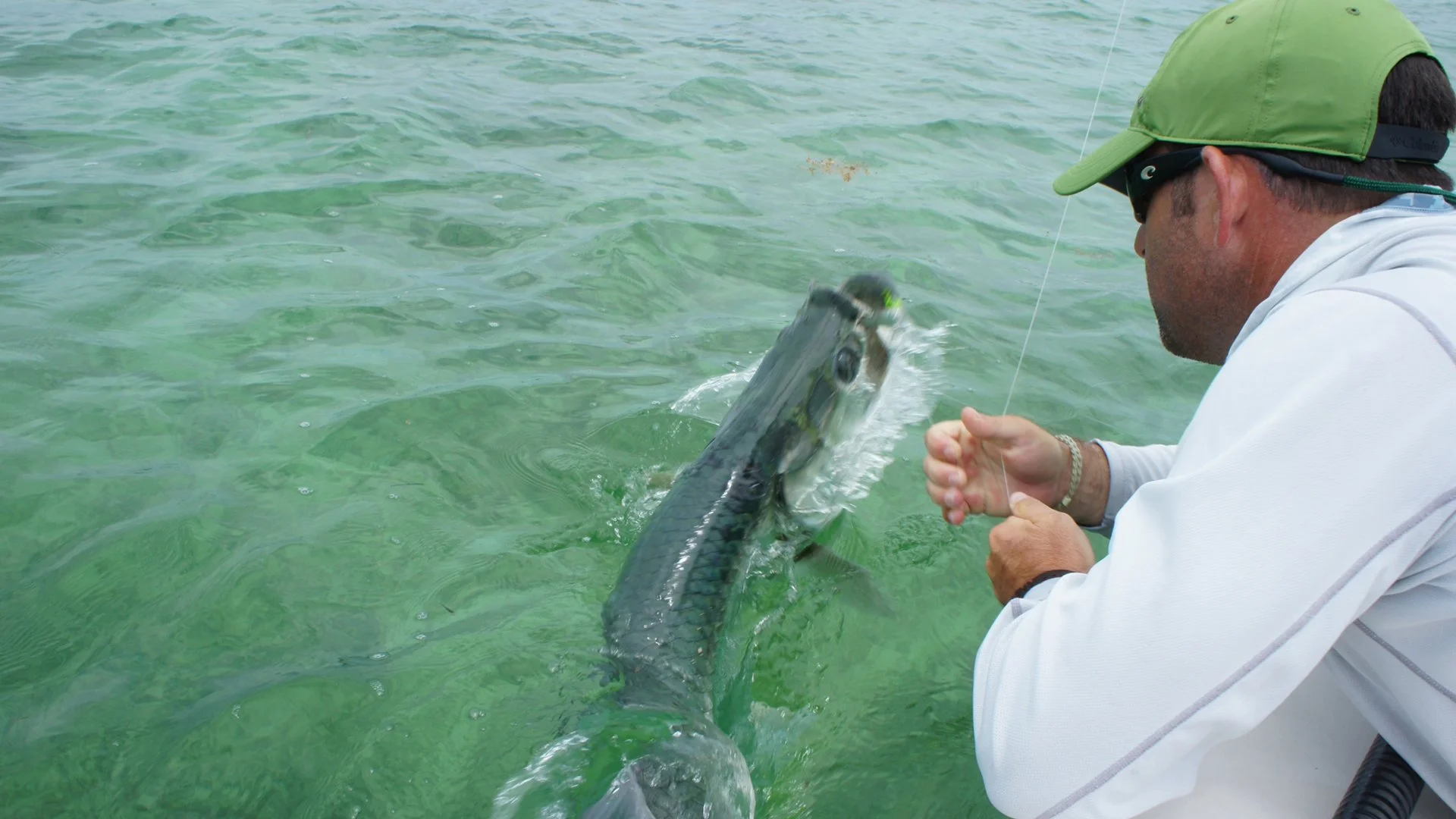
Key West Tarpon Fly Fishing
Few experiences in saltwater fly fishing compare to watching a tarpon eat your fly, leave the water, and empty your reel.
Tarpon have earned their reputation as one of the most sought-after gamefish in saltwater fly fishing, and few places offer the opportunities found in Key West and the Lower Florida Keys. From the shallow oceanside flats to the channels, basins, and backcountry waters, this part of the Florida Keys provides an incredible variety of habitat for both resident and migratory tarpon. Anglers travel from around the world to experience the annual spring migration, when large schools of tarpon move through the Keys, offering some of the most exciting sight fishing opportunities anywhere.
While the spring migration gets much of the attention, fly fishing for tarpon in Key West isn't limited to a few months of the year. Resident fish can be found throughout the seasons, with opportunities ranging from casting to rolling fish, sneaking a fly in front of a laid up tarpon in the backcountry, to presenting flies to large schools of tarpon traveling along the ocean. Whether you're looking to catch your first tarpon on fly or have spent years chasing them, Key West is a destination that every angler should pay a visit.
If fly fishing isn't your thing, Capt. Bo Sellers also offers Key West tarpon fishing charters using light tackle.
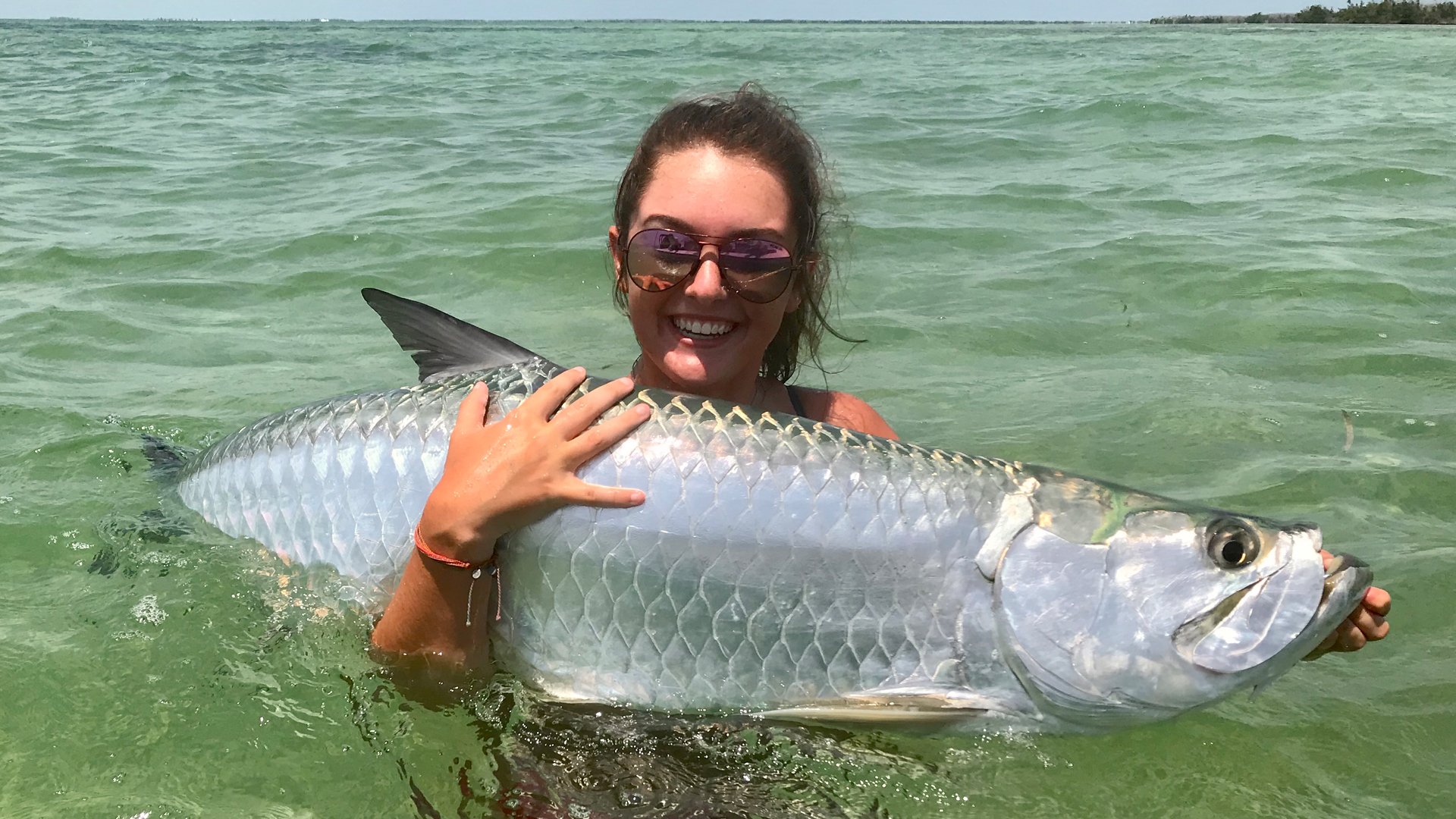
How We Fly Fish For Tarpon In Key West And The Lower Keys
Fly fishing for tarpon in Key West and the Lower Florida Keys is primarily a sight fishing game. Most days are spent quietly poling the shallows looking for tarpon. Depending on the time of year and conditions, we may be casting to laid-up fish in the backcountry, singles and pairs cruising shallow flats, or large schools of migratory tarpon traveling along the oceanside.
Finding fish is only part of the equation. Getting the skiff into position and making the right presentation is where things get interesting. Tarpon can be surprisingly willing to eat a fly, but they don't always make it easy. Traveling fish need to be led so the fly crosses their path naturally, while laid-up fish often require a softer, more deliberate presentation. Long casts aren't always necessary, but being able to deliver a fly quickly and accurately makes a big difference.
We typically fish 10 to 12-weight fly rods with floating or intermediate lines and a selection of baitfish and worm patterns. The tackle and approach depend on the size of the fish and the conditions while we're fly fishing for them. No matter how we target them, having a tarpon on the end of the line is one of the most exciting fishing experiences on the planet.
Seasonal Tarpon Fly Fishing In The Lower Keys
Fly fishing for tarpon in Key West and the Lower Florida Keys is possible year-round, but the fishing varies considerably throughout the seasons. Water temperatures, weather patterns, and the annual migration all influence where tarpon can be found and how we fish for them.
Spring
Spring is what die hard tarpon anglers wait all year for. As water temperatures begin to warm, large migratory tarpon arrive in the Lower Keys backcountry, before migrating along the oceanside flats and through channels and passes. March can offer some excellent early-season fishing, while April, May, and June are traditionally the heart of the migration. This is prime time for sight fishing to large tarpon, often in singles, pairs, or schools.
Summer
Summer brings warm water, calm mornings, and continued opportunities to fly fish for tarpon throughout Key West. Migratory fish can still be found during the early part of summer, while resident tarpon become a larger part of the fishing as the season progresses. Summer tarpon come in all sizes. Early mornings can be particularly productive, with fish in the backcountry feeding and doing their thing before the heat of the day sets in and pushes them into deeper cooler water.
Fall
As summer gives way to fall, cooling water temperatures and shorter days begin to influence tarpon behavior. The large spring migration is over, but resident tarpon remain throughout the backcountry, basins, and channels of the Lower Keys. Warm stretches of weather can provide some excellent fishing, particularly when conditions allow us to find fish rolling or laid up in protected waters. Fall can be a great time to pursue tarpon without the crowds associated with the spring migration.
Winter
Winter tarpon fishing in Key West is largely dictated by the weather. Cold fronts and falling water temperatures can slow things down, but several days of warm, stable conditions can bring resident tarpon back into shallow water and make them willing to eat a fly. Much of our attention turns to protected backcountry areas where fish can find warmer water. Winter isn't the most consistent season for tarpon, but anglers willing to work around the weather can still find opportunities to catch them on fly.
Key West Tarpon Fly Fishing Charters
Capt. Bo Sellers offers full day, three-quarter day, and half day tarpon fly fishing charters in Key West and the Lower Keys. Multiple boats are available for groups of more than 2 people. Contact us for current rates and availability. All trips include fishing gear, fuel, and a cooler with ice.
Payments And Deposits
Cash, Paypal, or Venmo.
$200 per day per boat deposit for all trips
Venmo or Paypal deposits to:
Bo Sellers
27394 Barbuda Lane
Ramrod Key, FL 33042
(305) 304-8442
What To Bring
Weather appropriate clothing
Non-marking soled footwear
Hat
Polarized sunglasses
Sunscreen
Food and drinks
Key West Tarpon Fly Fishing FAQ’s
-
April, May, and June are traditionally the best months for fly fishing for large migratory tarpon in Key West and the Lower Florida Keys. However, tarpon can be found throughout the year, with resident fish providing opportunities outside the spring migration. The best time to visit depends on the size of fish you want to target and the type of fishing you enjoy.
-
Yes. Key West has a resident population of tarpon that can be targeted throughout the year. While the spring migration brings large numbers of fish into the area, resident tarpon can be found in the backcountry, channels, and basins during other seasons. Weather and water temperatures play a significant role in how productive the fishing can be, particularly during winter.
-
Not necessarily. While tarpon can be challenging on a fly rod, anglers with basic casting skills and a willingness to learn can have opportunities to hook one. Being able to make a quick, accurate cast is more important than casting extreme distances. Capt. Bo Sellers can help anglers understand fish behavior, improve their presentations, and make the most of their opportunities on the water.
-
Tarpon in Key West range from small juveniles weighing just a few pounds to large migratory fish exceeding 100 pounds. Smaller resident fish are often found in the backcountry, while the spring migration provides opportunities to target much larger tarpon. Fish of all sizes can be encountered depending on the season and where we're fishing.
-
We typically use 10 to 12-weight fly rods with floating or intermediate fly lines, depending on the size of the fish and fishing conditions. Baitfish and worm patterns are commonly used for tarpon throughout the Lower Keys. If you plan to bring your own equipment, it's best to discuss your setup with Capt. Bo before your trip to make sure it's appropriate for the fishing.
-
Most of our tarpon fly fishing is done from a skiff, quietly poling shallow flats and backcountry waters while looking for fish. Depending on the season, we may target rolling or laid-up tarpon in the backcountry, or intercept migratory fish traveling along the oceanside. Once a fish is spotted, the goal is to position the skiff for a good cast and present the fly naturally in its path.
-
Resident tarpon live in the waters surrounding Key West and the Lower Keys throughout the year. They vary considerably in size and are often found in backcountry areas, basins, and channels. Migratory tarpon move through the Florida Keys seasonally, typically during spring and early summer, and include many of the large fish that make Key West famous among fly anglers.
-
You don't need to cast 100 feet to catch a tarpon, but being comfortable making accurate casts between 40 and 60 feet is a big advantage. Some opportunities happen much closer, particularly when fishing for laid-up tarpon in the backcountry. Quick presentations, good line management, and the ability to place a fly in front of a moving fish are often more important than casting distance.
-
Wind, cloud cover, cold fronts, and water temperatures can all influence tarpon fishing in Key West. When conditions make oceanside fishing difficult, protected backcountry waters may provide other opportunities. Some days are simply better suited for targeting different species. Permit, bonefish, and other fish can offer alternatives when tarpon fishing is slow.
-
Absolutely. Tarpon are exciting fish to pursue with either fly fishing or conventional light tackle. For anglers who don't fly fish, Capt. Bo Sellers also offers Key West light tackle fishing charters. Sight casting with spinning tackle provides another way to experience tarpon fishing on the flats and backcountry waters of the Lower Florida Keys.
What Else We Fly Fish For In Key West
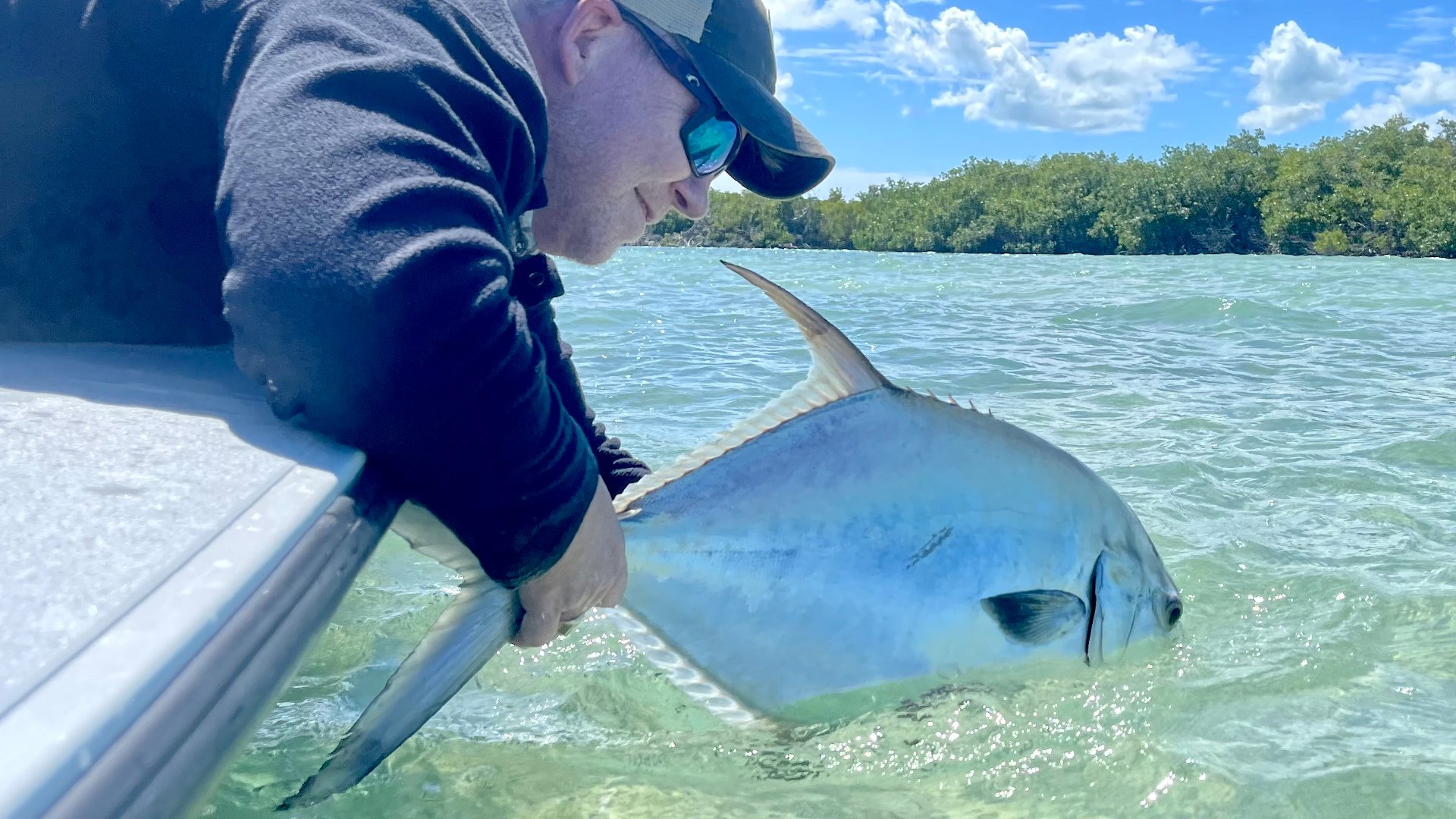
Permit
Permit are among the most sought-after fish in saltwater fly fishing, and Key West is one of the best places in the world to pursue them. From tailing fish on shallow flats to singles and schools feeding along banks and channels, the Lower Florida Keys offer incredible opportunities to sight fish for permit throughout the year.
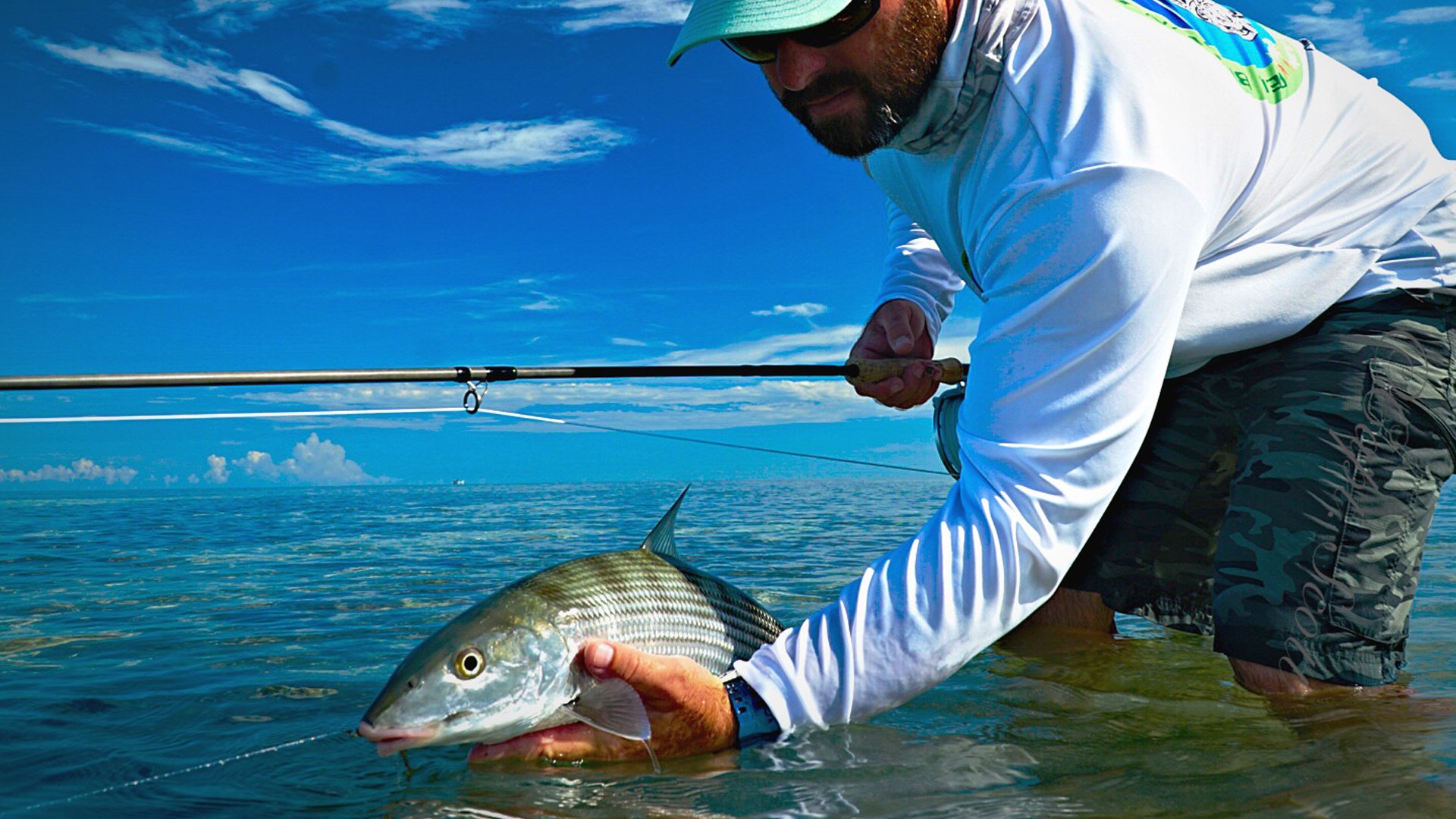
Bonefish
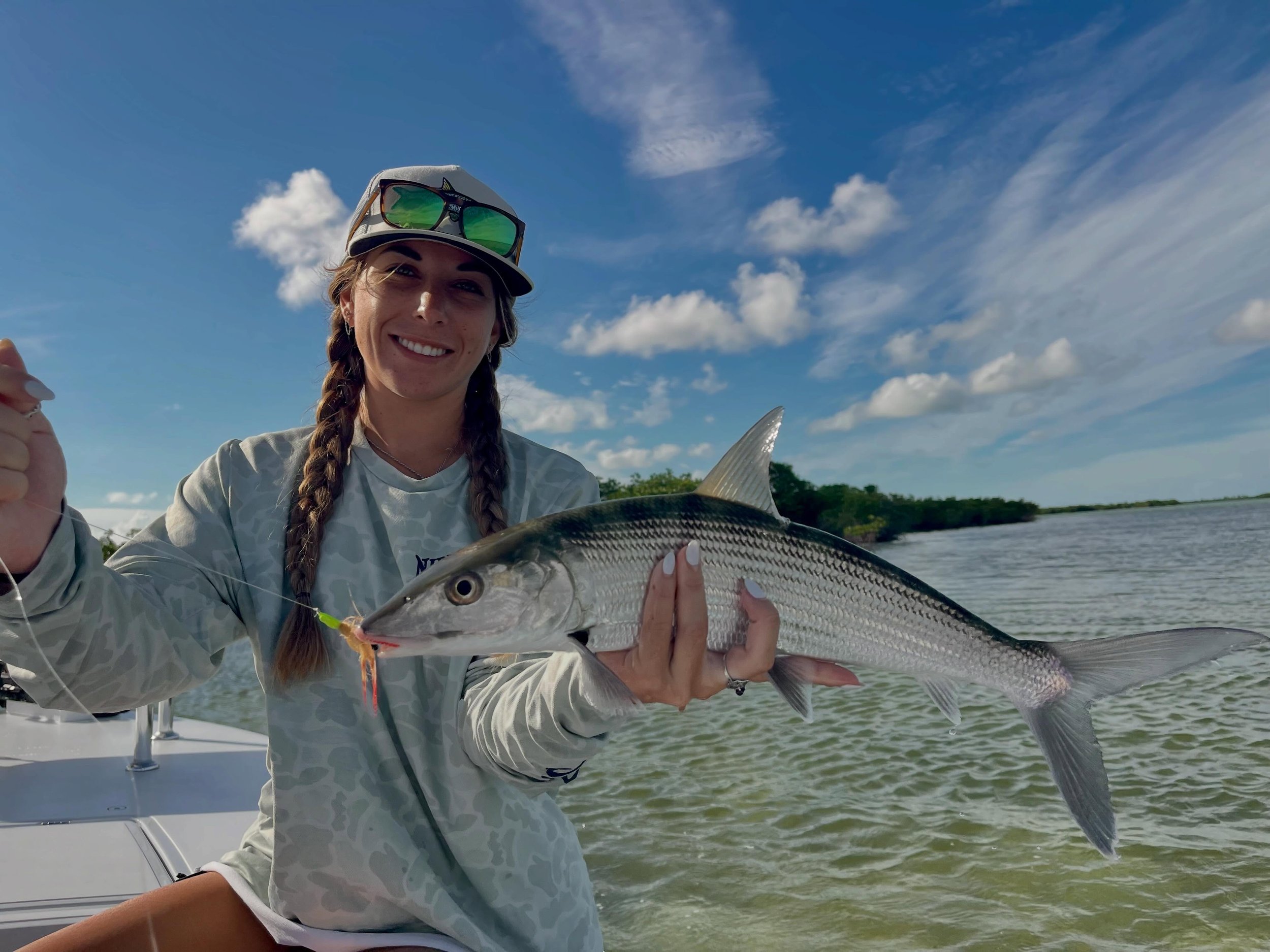
Bonefish are among the most exciting fish to pursue with a fly rod, and Key West is one of the best places in the world to chase them. From tailing fish in skinny water to singles and schools cruising shallow flats, the Lower Florida Keys offer incredible opportunities to sight fish for bonefish throughout the year.





Capt. Bo Sellers On Instagram