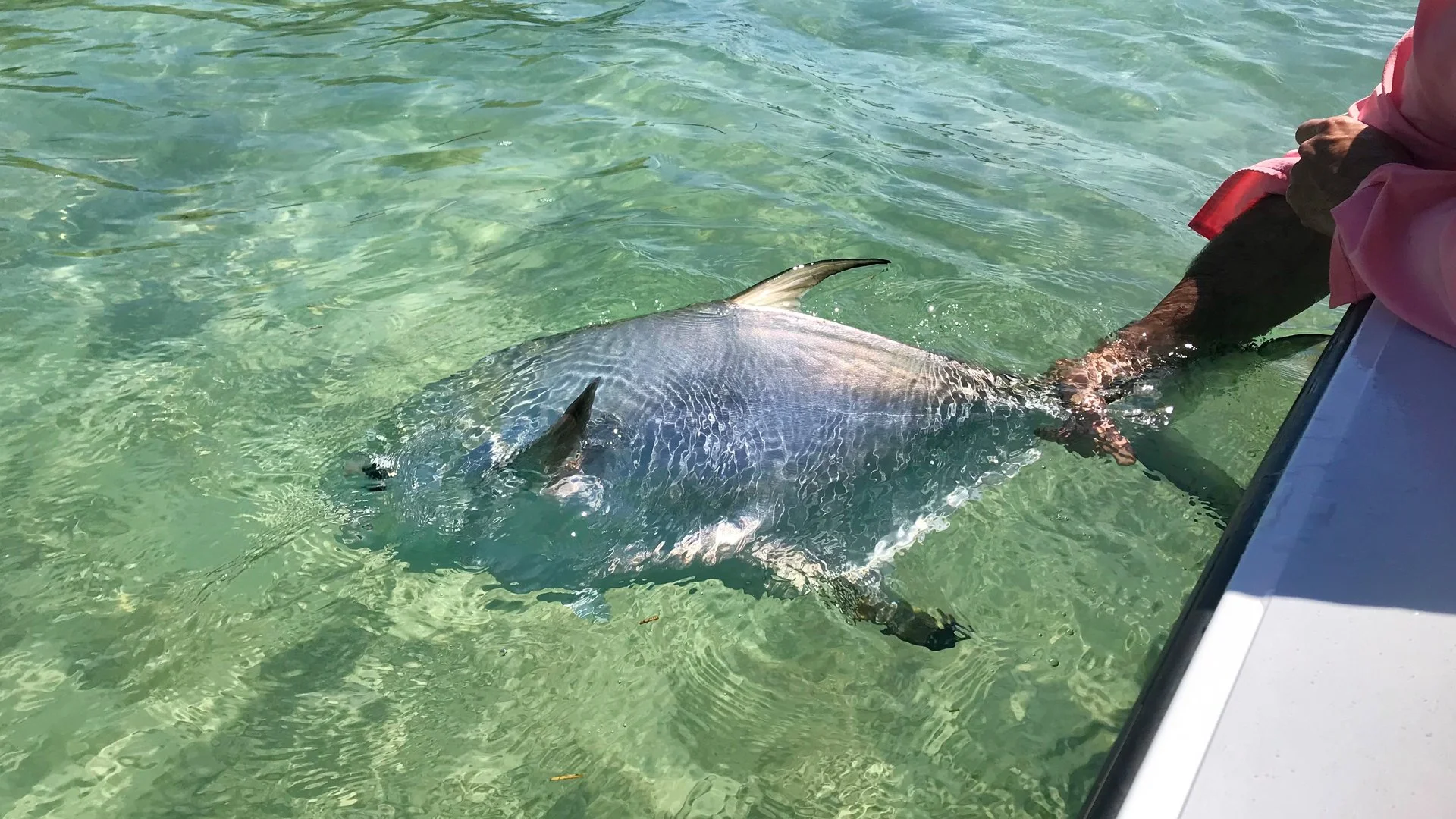
Key West Permit Fly Fishing
Fly fishing for permit on the flats of Key West and the Lower Florida Keys is one of the most rewarding experiences in saltwater fly fishing.
Permit are a fish that some anglers consider the “holy grail”of saltwater fly fishing, and Key West and the Lower Florida Keys have some of the best permit fishing in the world. Miles of shallow flats, turtle grass banks, channels, and basins surrounding the Lower Keys provide ideal habitat for permit. They can be found here year-round, often feeding in shallow water.
Days are spent quietly poling the flats looking for fish. Sometimes they're tailing while rooting a meal off of the bottom, sometimes they're cruising in singles or small groups, and other times they seem to appear out of nowhere. Getting a fly in front of a permit is a challenge, but getting one to bite is another story. They aren't always easy to convince, but that's a big part of why anglers keep coming back.
Whether you've caught dozens of permit or are hoping to fool your first one, fly fishing for permit in Key West is an experience worth making the trip for.
If fly fishing isn't your thing, Capt. Bo Sellers also offers Key West permit fishing charters using light tackle.
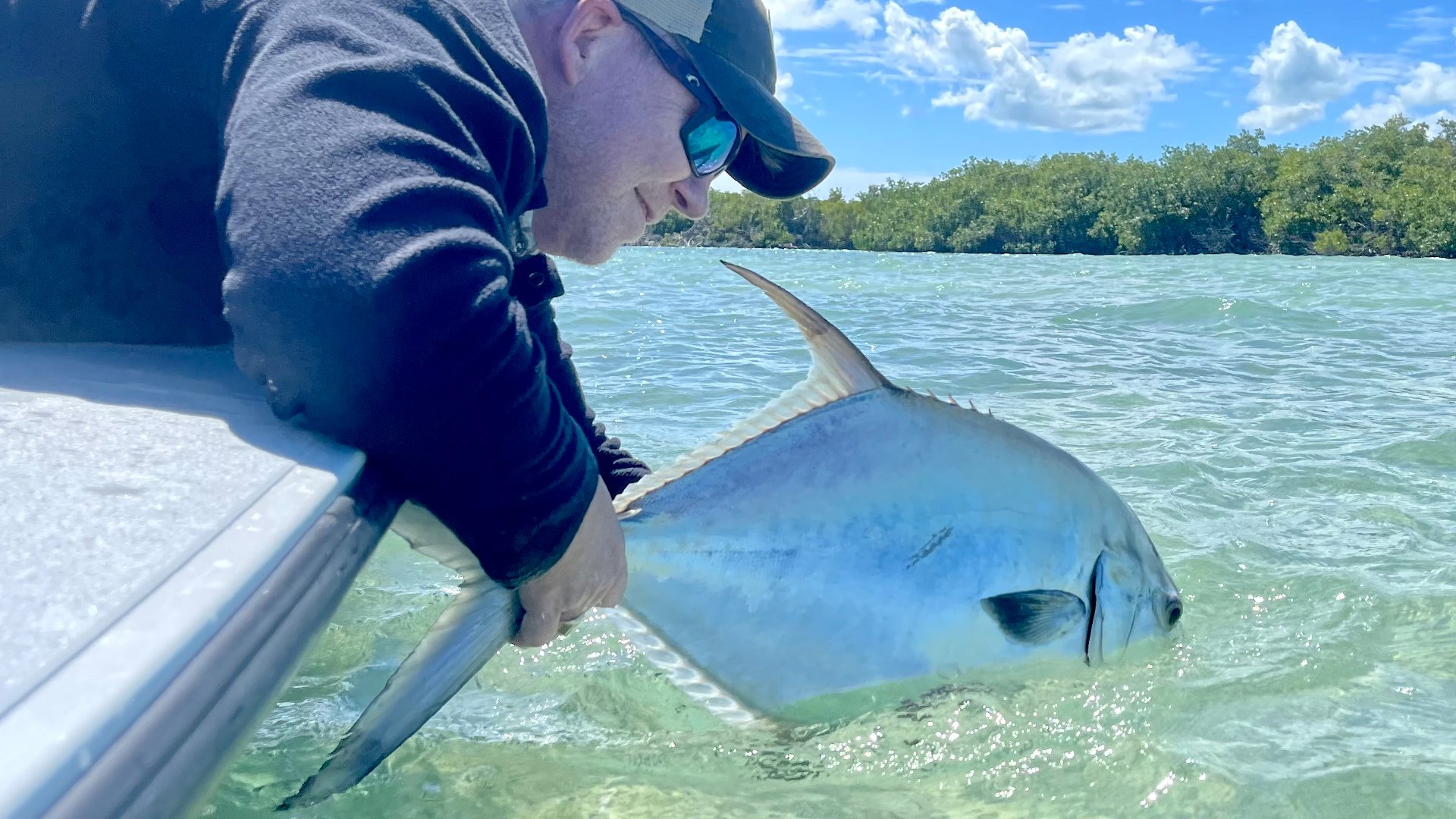
How We Fly Fish For Permit In Key West And The Lower Keys
Fly fishing for permit in Key West and the Lower Florida Keys is almost entirely a sight fishing game. Most days are spent quietly poling the shallow flats, looking for tails, wakes, pushes, or the dark shapes of fish moving across the bottom. Depending on the conditions, we may find permit feeding on shallow turtle grass banks, cruising the edges of channels, or traveling in singles, pairs, and small groups across the flats.
Once we find fish, getting the skiff into position without spooking them is the first order of business. Permit are particularly sensitive to noise and movement in shallow water, so a quiet approach and a good casting angle are important. Sometimes they'll give us plenty of time to set up a shot, while other times we have just a few seconds to get the fly in front of them. Quick, accurate casts are important, but knowing when to move the fly and when to leave it alone can be just as critical.
We typically fish 9 to 10-weight fly rods with floating lines, long leaders, and a selection of crab and shrimp patterns. Fly selection, leader length, and presentation depend on the conditions and how the fish are behaving. Permit don't always cooperate, but when they do, the moment is one of the most rewarding experiences in fly fishing.
Seasonal Permit Fly Fishing In The Lower Keys
Fly fishing for permit in Key West and the Lower Florida Keys is a year-round pursuit. Permit can be found on the flats throughout the year, although their behavior and feeding patterns vary with water temperatures, weather, and seasonal conditions. Each season offers its own opportunities, but windows of warm stable weather are what permit like best. These times can happen at any point of the year.
Spring
Spring is one of the most popular times to fly fish for permit in Key West. As water temperatures begin to warm, permit become increasingly active on the flats, feeding on crabs and shrimp. February, March, and April can offer excellent sight fishing opportunities, with fish often found tailing, cruising, or feeding in groups. Spring also brings the annual permit spawning season, when larger schools may gather in deeper water and virtually disappear from the flats.
Summer
Summer brings warm water, calmer mornings, and some of the best conditions of the year for spotting permit on the flats. Long periods of sunlight and generally lighter winds can make it easier to see fish moving across the bottom, although calm conditions can also make permit more sensitive to the approach of a skiff and the presentation of a fly. Summer is a great time to find schools of smaller permit feeding hard on shallow banks or cruising the edges of flats.
Fall
Fall is an excellent time to fly fish for permit in the Lower Keys. As water temperatures begin to cool from the summer heat, permit continue feeding across the flats, often taking advantage of comfortable water temperatures and favorable tides. September, October, and November can provide some outstanding opportunities to sight fish for permit, with fewer boats on the water than during the busy spring season. Fish can be found tailing on shallow banks, cruising channel edges, or feeding across flats.
Winter
Winter permit fishing in Key West depends heavily on the weather. Cold fronts can push fish off the shallow flats and into deeper, more stable water, but a few warm days can bring them right back into the shallows to feed. During periods of stable weather, winter can offer some excellent sight fishing opportunities. The fishing may be less consistent than during warmer months, but permit remain a realistic target throughout the winter when conditions cooperate.
Key West Permit Fly Fishing Charters
Capt. Bo Sellers offers full day, three-quarter day, and half day permit fly fishing charters in Key West and the Lower Keys. Multiple boats are available for groups of more than 2 people. Contact us for current rates and availability. All trips include fishing gear, fuel, and a cooler with ice.
Payments And Deposits
Cash, Paypal, or Venmo.
$200 per day per boat deposit for all trips
Venmo or Paypal deposits to:
Bo Sellers
27394 Barbuda Lane
Ramrod Key, FL 33042
(305) 304-8442
What To Bring
Weather appropriate clothing
Non-marking soled footwear
Hat
Polarized sunglasses
Sunscreen
Food and drinks
Key West Permit Fly Fishing FAQ’s
-
Permit can be caught year-round in Key West and the Lower Florida Keys. February, March, and April can offer excellent fishing, while summer and fall provide plenty of opportunities as well. More than anything, permit fishing benefits from warm, stable weather, good visibility, and favorable water conditions. A stretch of good weather can produce excellent fishing during almost any month of the year.
-
Permit have a reputation for being one of the more challenging fish to catch with a fly rod, but that doesn't mean they're impossible. Some fish will refuse everything you throw at them, while others will eat a properly presented fly without much hesitation. Getting the right angle, making an accurate cast, and knowing how to work the fly are all important. That's what makes catching one so rewarding.
-
Previous saltwater fly fishing experience is helpful, but it isn't necessarily required. Anglers who can make reasonably accurate casts and follow instructions have opportunities to catch permit. Being able to deliver a fly quickly is often more important than casting a great distance. Capt. Bo Sellers can help with positioning, presentations, and reading fish throughout the day.
-
Permit in Key West range from small fish weighing just a few pounds to large adults exceeding 30 pounds. Smaller permit are often encountered in schools, while larger fish may be found traveling alone, in pairs, or in small groups. The size of fish we encounter depends on where we're fishing, the season, and the conditions.
-
We typically fish 9 to 10-weight fly rods with floating lines, long leaders, and a selection of crab and shrimp patterns. The specific setup depends on the conditions, the size of the fish, and where we're fishing. If you prefer bringing your own fly fishing equipment, it's a good idea to discuss your setup with Capt. Bo Sellers before your trip.
-
Most permit fishing in Key West is done by quietly poling a skiff across shallow flats, turtle grass banks, and channel edges while looking for signs of fish. Tailing permit are often easy to recognize, but other fish may only show themselves through a wake, a push of water, or a dark shape moving across the bottom. Good sunlight and water clarity make spotting fish easier, although experienced guides can find permit in less-than-perfect conditions.
-
You don't need to be able to cast the entire fly line, but accuracy is important. Being comfortable making casts between 40 and 60 feet is a good starting point. Some fish allow much closer presentations, while others require longer shots. Making a quick, accurate cast with minimal false casting is generally more valuable than casting a long distance.
-
Crab and shrimp patterns are the foundation of permit fly fishing in the Lower Florida Keys. The size, color, and weight of the fly depend on the water depth, bottom type, and how the fish are feeding. Sometimes permit respond to a fly that moves, while other times leaving it completely still is the better approach. Having several options available allows us to fish different situations throughout the day.
-
Absolutely. Permit remain in the waters surrounding Key West throughout winter, although cold fronts and falling water temperatures can make the fishing less consistent. When several warm days follow a cold front, permit often return to shallow flats to feed. Winter can provide some excellent opportunities when the weather cooperates.
-
Yes. Permit can also be targeted with conventional light spinning tackle. For anglers who don't fly fish, Capt. Bo Sellers offers Key West light tackle fishing charters targeting permit and other inshore species. Sight fishing for permit with spinning tackle is an excellent way to experience the flats of Key West and the Lower Florida Keys.
What Else We Fly Fish For In Key West
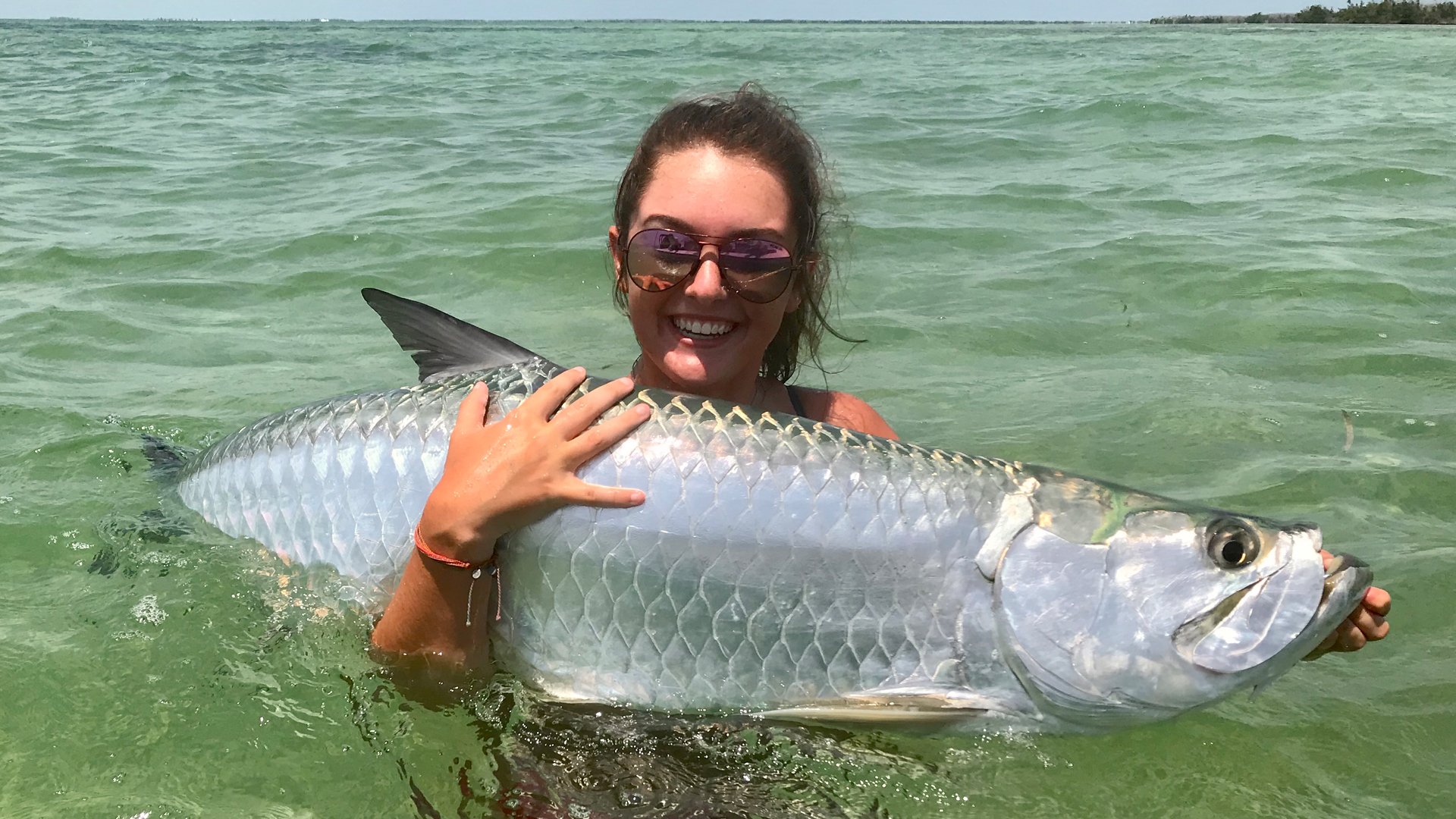
Tarpon
Tarpon are the undisputed kings of saltwater fly fishing, and Key West is one of the best places in the world to pursue them. From resident fish in the backcountry to large migratory tarpon traveling the oceanside flats, the Lower Florida Keys offer incredible opportunities to sight fish for tarpon throughout the year.
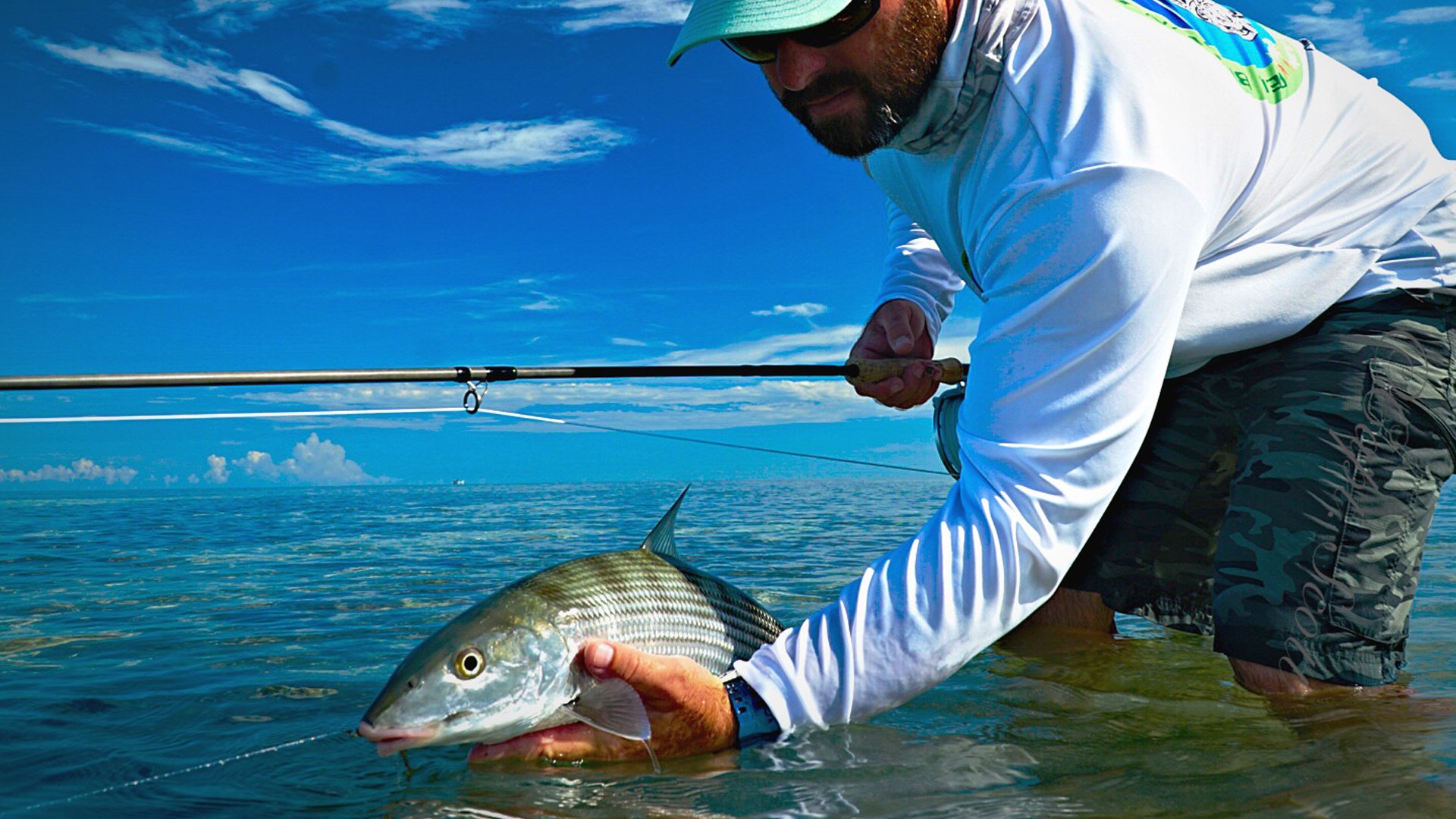
Bonefish
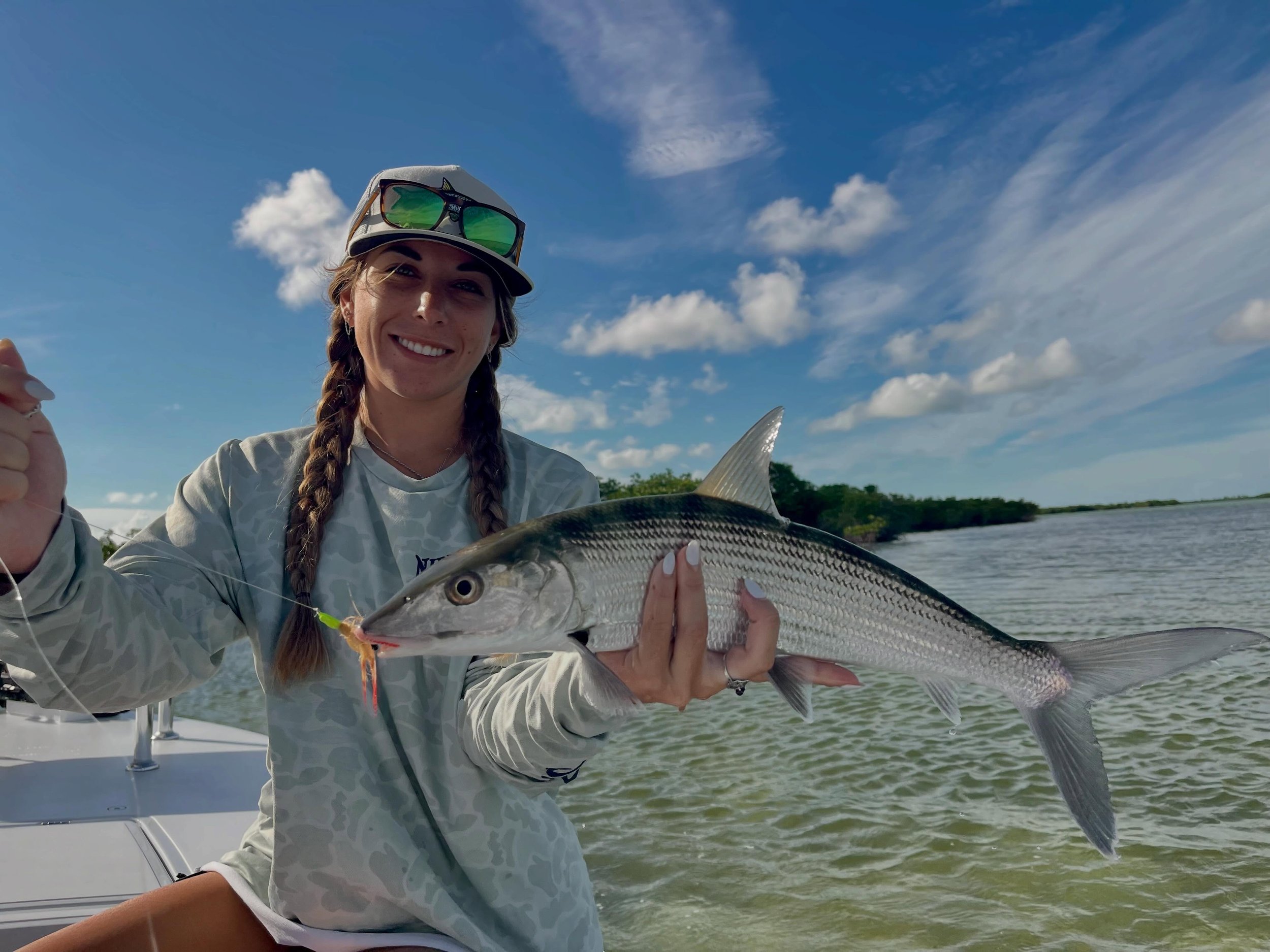
Bonefish are among the most exciting fish to pursue with a fly rod, and Key West is one of the best places in the world to chase them. From tailing fish in skinny water to singles and schools cruising shallow flats, the Lower Florida Keys offer incredible opportunities to sight fish for bonefish throughout the year.




Capt. Bo Sellers On Instagram